

There are many choices of plants and many sources of ideas for West Texas landscapes. The Texas SmartScape program was established as an assistant on creating landscapes that survive the harsh West Texas weather while protecting water resources.
The Texas SmartScape program has two main goals: (1) to help residents conserve water by offering education on efficient wateruse in the landscape, focusing on practices such as drip irrigation, rainwater harvesting, mulching, and selecting plants that require less water; and (2) implementing water-efficient practices using landscape plants that are native or adapted to our regional soil, climate, and precipitation.
Following are some of the 95 plants recommended by Texas SmartScape™ as found on their website, txsmartscape.com/ plant-search. Common names, botanical name, and short descriptions are given in full on the website.
Ground covers
Artemisia. Artemisia spp. Gray foliage, drought tolerant, perennial spreading ground cover and specimen plantings.
Blue Carpet juniper. Juniperus horizontalis ‘Wiltonii’. Very flat juniper. Dense, short branchlets on long, trailing branches. Bright silver blue foliage. Similar to ‘Bar Harbor’ but denser.
Blue Plumbago. Ceratostigma plumbaginoides. Spreading. bright blue. Good fall color
Grasses:
Bermuda. Common Bermuda grass is drought tolerant. Easily established. Invasive.
Blue Fescue. Festuca glauca. Flowering golden spikelets, yellow. Blue foliage year-round. Clump-forming foliage densely tufted, forming neat mounds, topped with upright flower panicles in June.
Shrubs:
Bird of Paradise. Caesalpinia pulcherrima. Small ornamental shrub with yellow, orange, red blossoms.
Cotoneaster. Cotoneaster horizontalis. Excellent small shrub for foundation planting. Red berries, white flowers.
Crimson Pigmy Barberry. Berberis thunbergii ‘Crimson Pygmy’. Excellent small shrub, colorful red foliage when grown in full sun. Thorny.
Specimen plants:
Black-Eyed Susan. Rudbekia hirta fulgida ‘Goldstrum’. 4-inch yellow-black daisy flowers. Excellent for summer color.
Black-Foot Daisy. Melampodium leucanthum. Shortlived perennial, covered with small white daisy-like flowers in the warm months. Plant in well-drained soil; do not overwater.
Blue Mist Spirea. Caryopteris clandonensis. Mounding growth habit. Once established, reasonably drought-tolerant.
Butterfly Bush. Buddleia davidii. Attracts butterflies for much of summer. Wet feet will rot the root system. Cut back every year for best bloom and shape.
Butterfly Weed. Asclepias tuberosa. Attracts hummingbirds and butterflies. Sandy, well-drained soil. Makes longlasting cut flowers. Difficult to transplant.
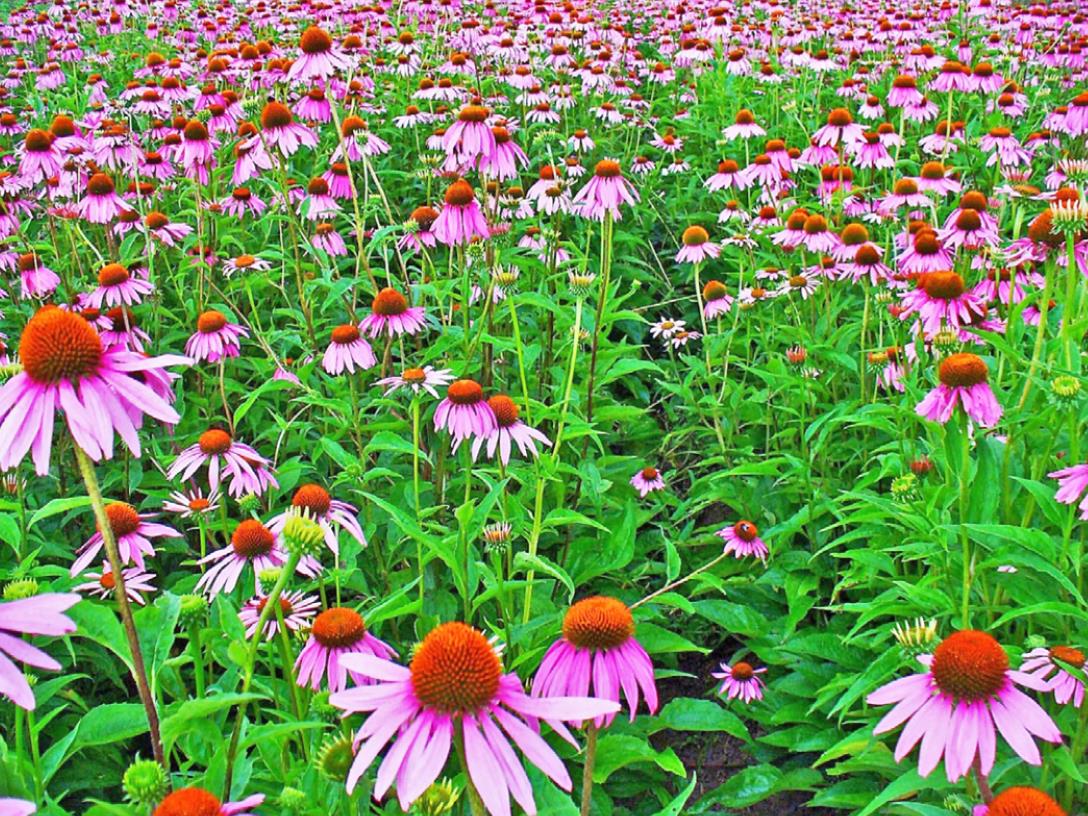
Coneflower. Echinacea purpurea. Large daisy-like flowers with lavender petals. Attracts butterflies and showy seed head provides food for birds.
Ellen Peffley Harp, a retired professor of horticulture at Texas Tech University, writes about gardening for several Texas newspapers.
- Log in or Subscribe to post comments.
