
Educator’s green thumb guides Spur students in generating crops—and cash
Anyone who’s interacted with Spur ISD teacher Myles Hammack knows to find him in one particular place when he’s not in the classroom: in the greenhouse.
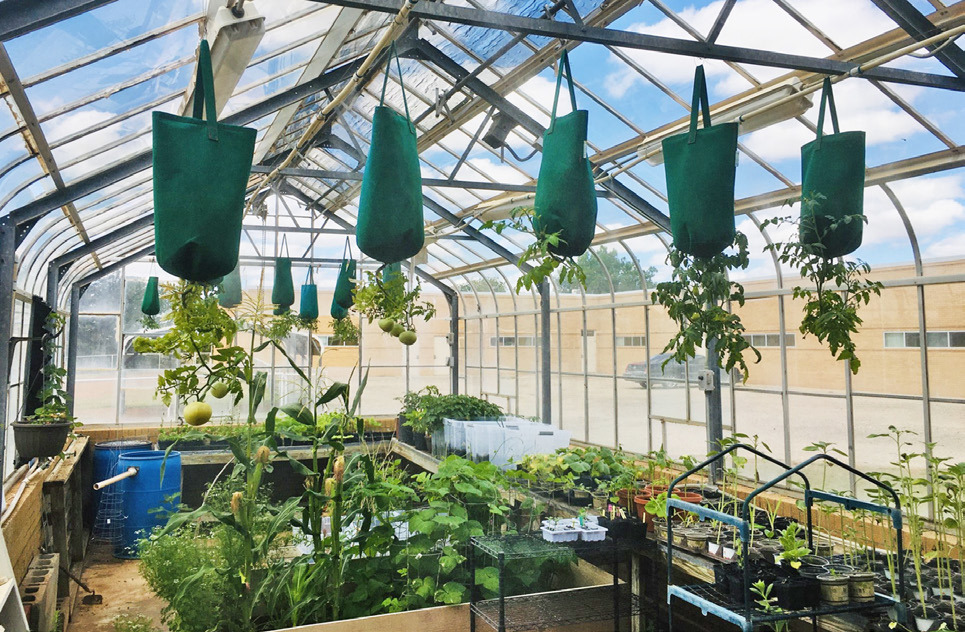
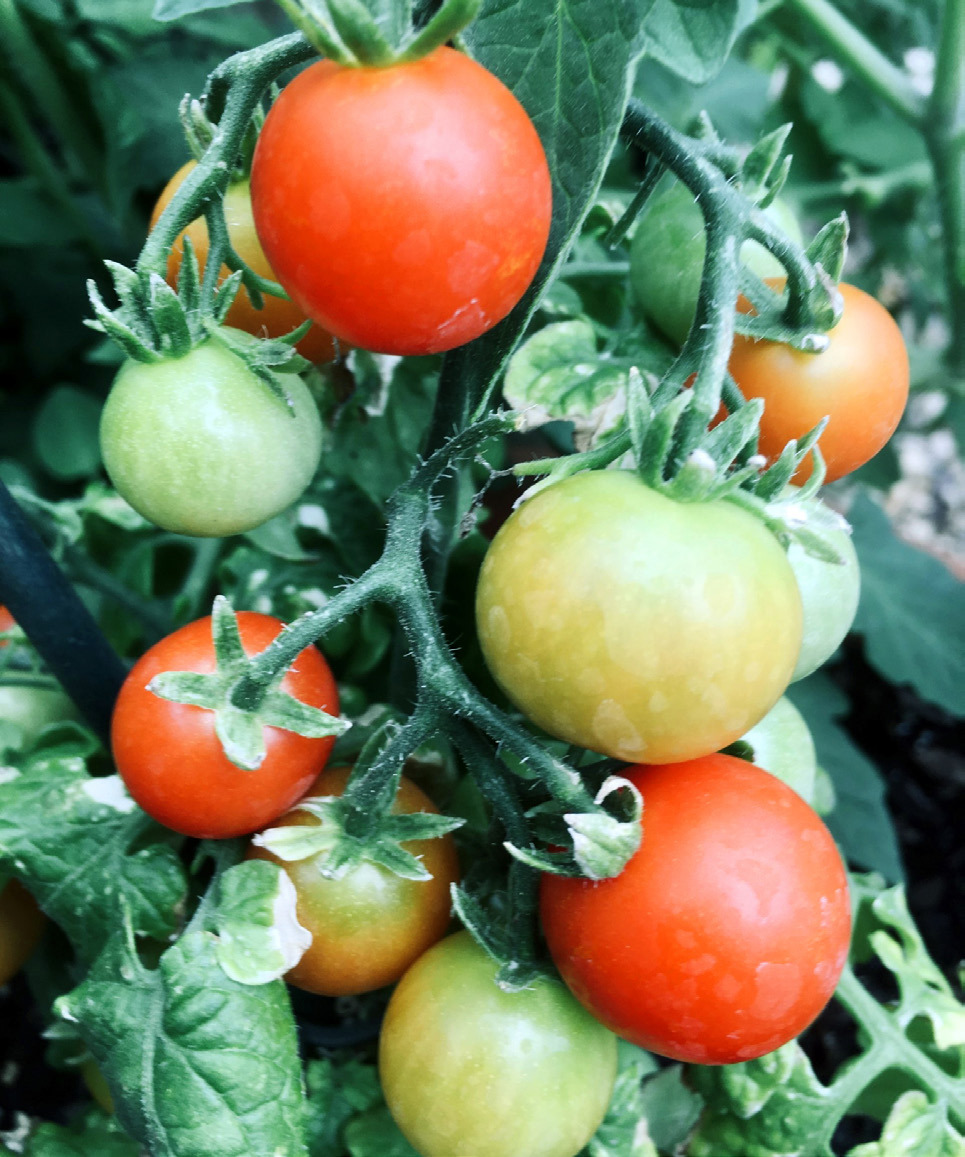
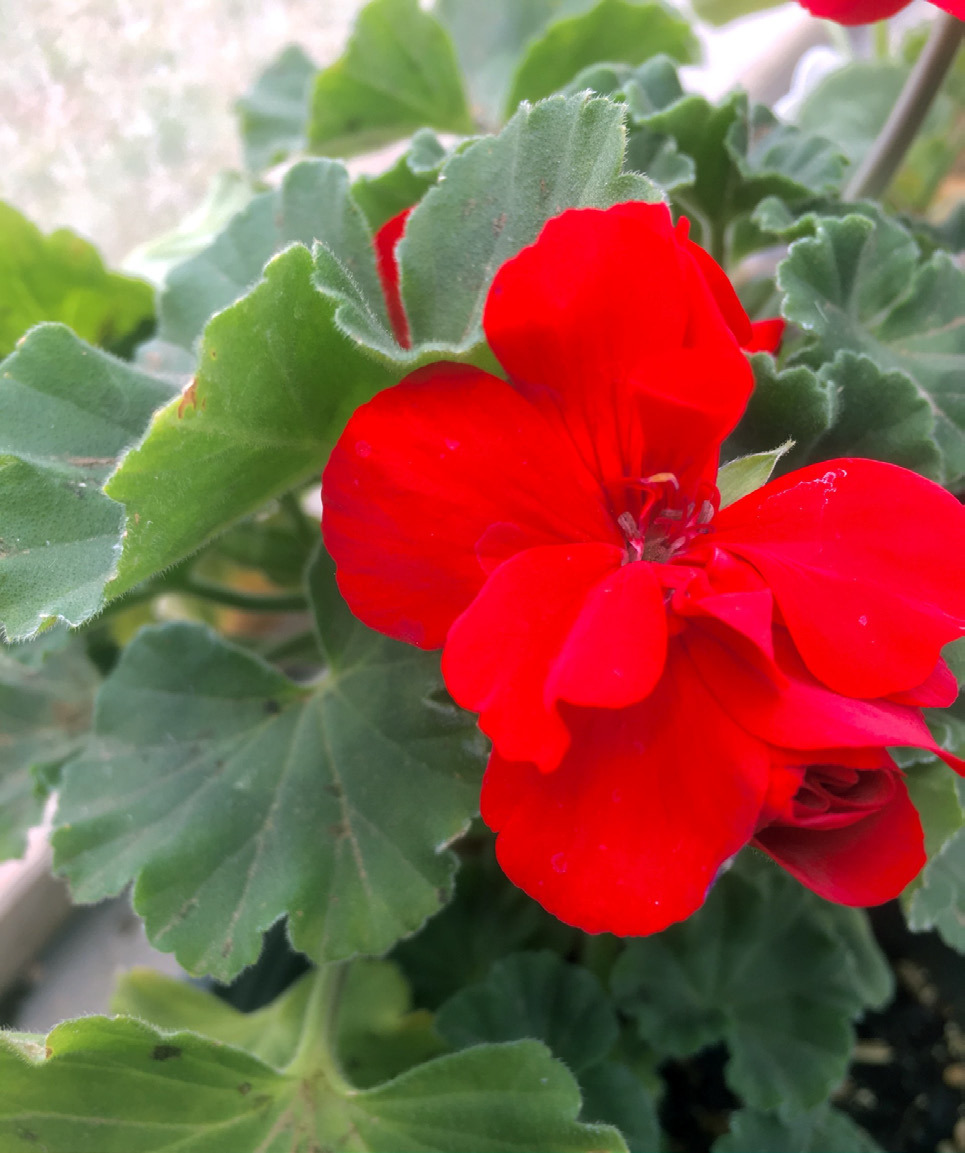
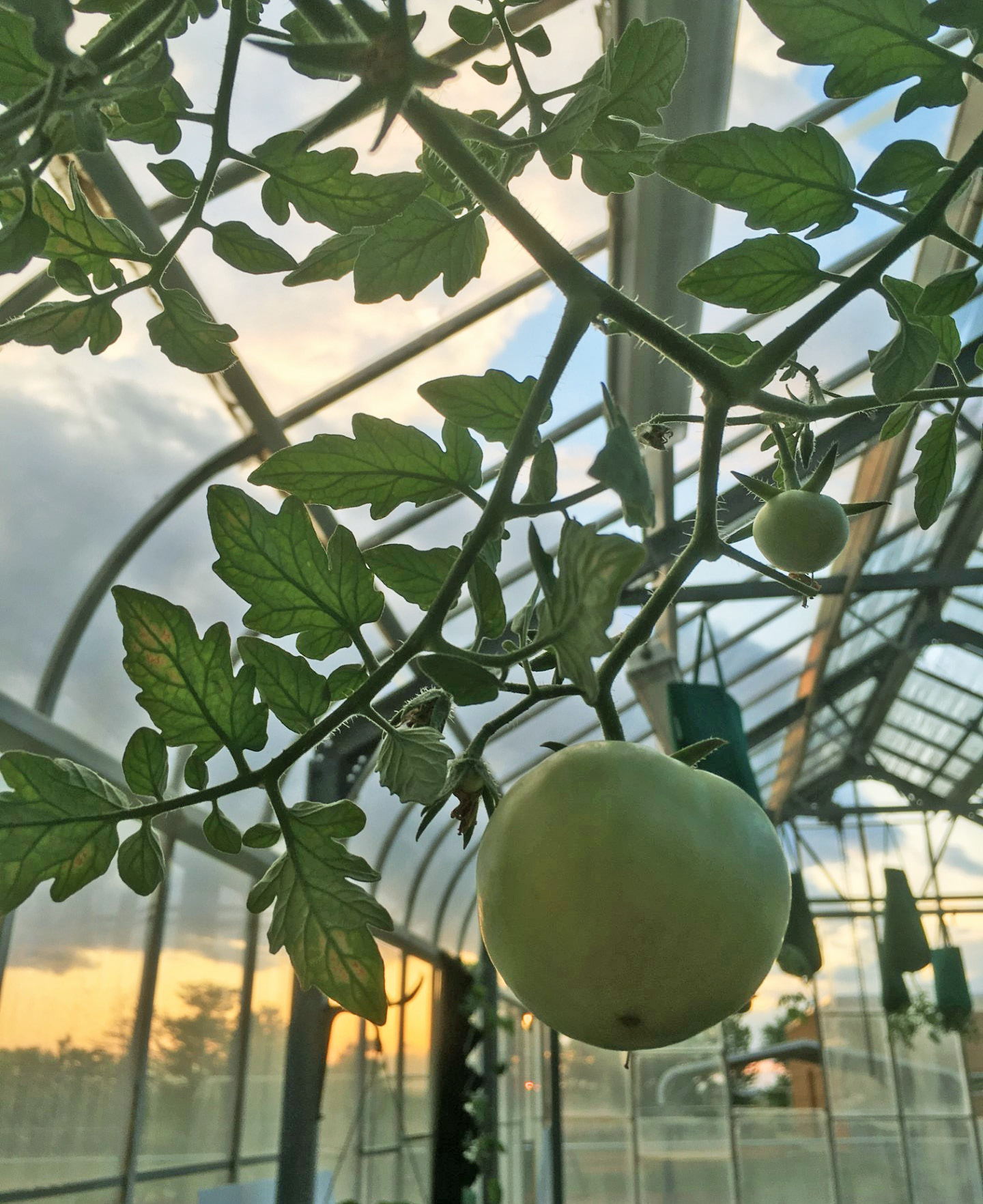
Spur ISD’s plant greenhouse was renovated last spring by Hammack and his students, with help from state and local Farm Bureau grants. At the time, Hammack set a goal of involving as many students as possible in a variety of subjects, using the crop yield in cooking classes, for instance, or assigning English students to writing business proposals and science students to observe biology. That first season, theyplowedanyfundsfrom the sale of produce back into the project.
This year, the focus expanded to an even more anbitious level, with even more students involved in the research, design, and planting of a landscape garden to enhance Spur’s entry focal point in Dyess Park on East Hill Street, home of the giant spur sculpture and the Quanah Parker Trail giant arrow marker.
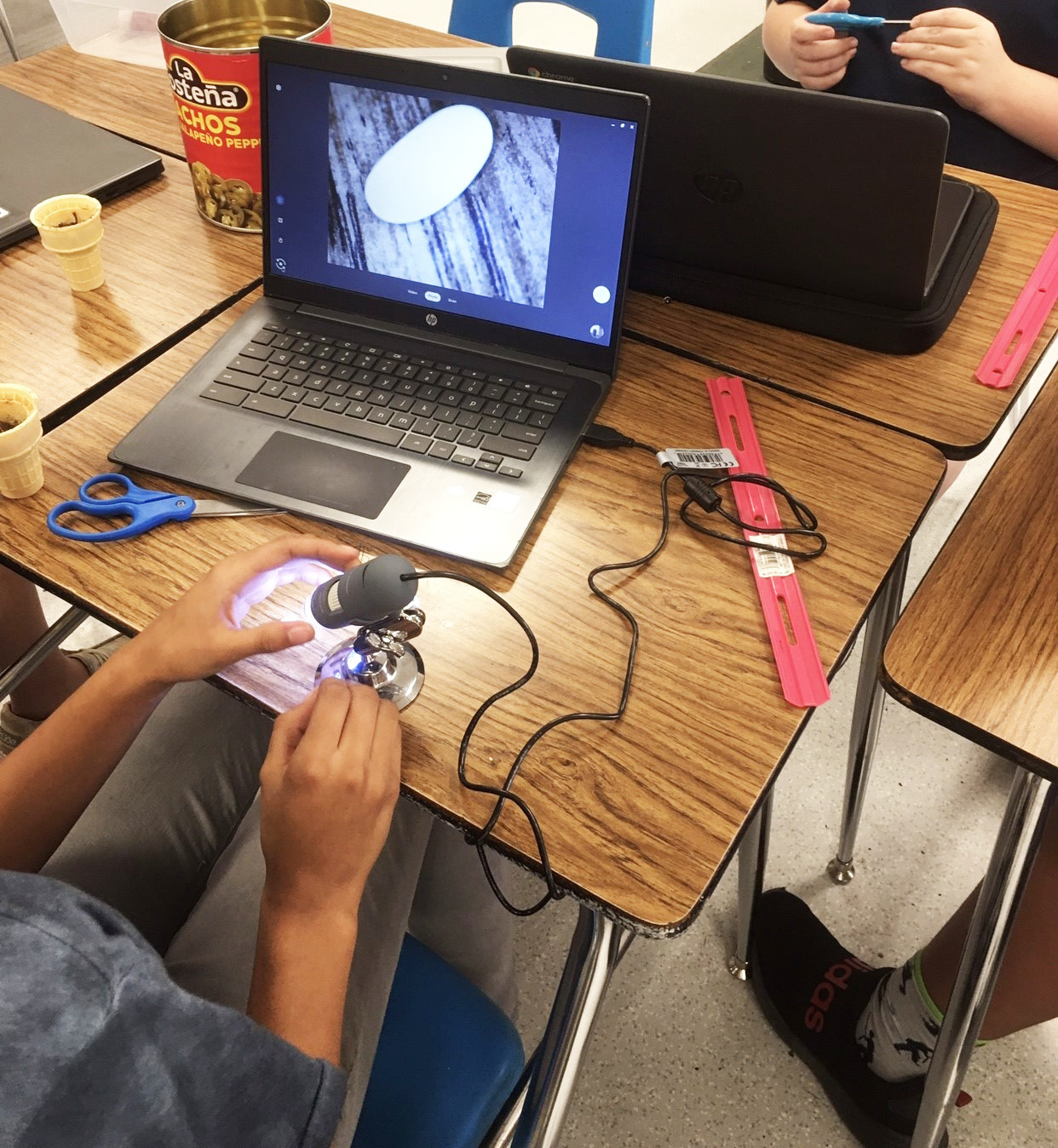
“The basis of this entire operation is to teach all students the importance of agriculture (plants specifically),” said Hammack. “Students participate in grass studies, soil sampling, recycling, smallscale production methods, seed splicing, and grafting. We also put a lot of focus on growing plants from seed and utilizing natural materials for soil.”
One of the most interesting aspects of the undertaking, he said, is that it’s all combined with Spanish 3 and Spanish 4 classes. Those classes focus on dual-language marketing skills and market price variance. Participants are also in charge of the project’s social media posts and website editing (which is in Spanish and English).
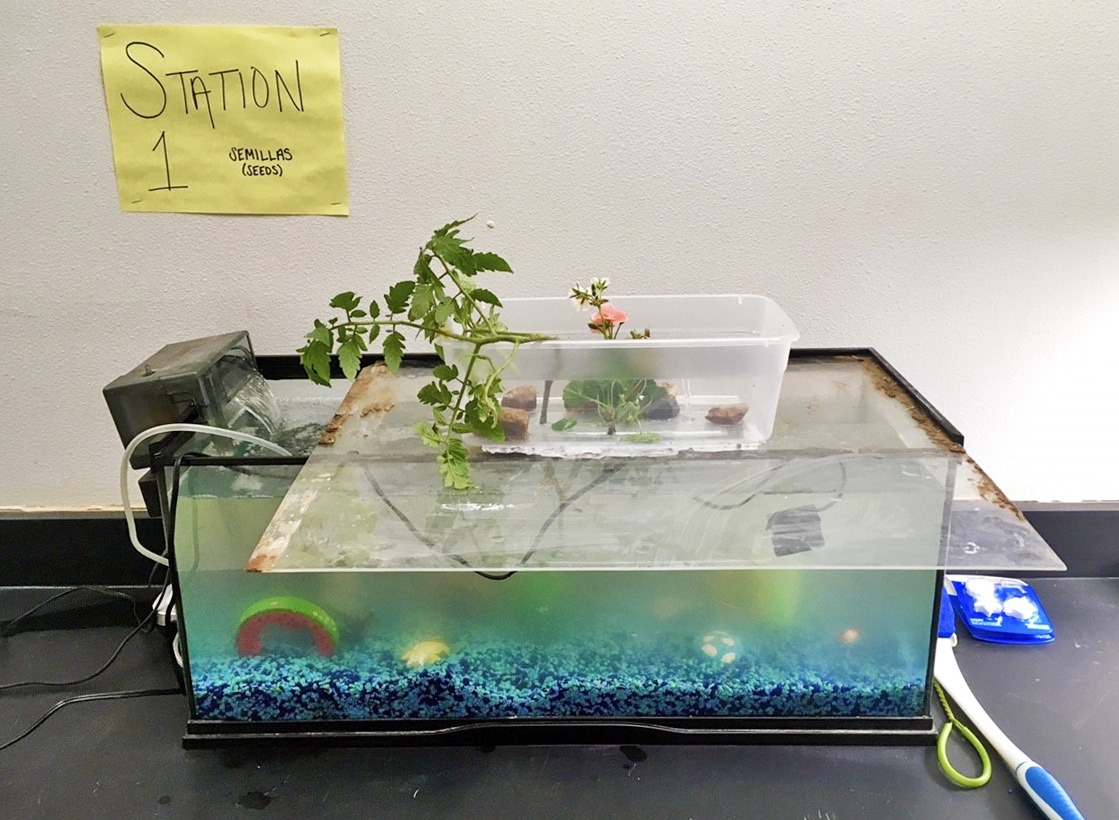
Students have also dabbled in permaculture and hydroponics, and Hammack hopes to expand on those ideas in the future.
The Spanish 3 and 4 students came up with the name “Casa Verde” for the greenhouse (a transliteration; the actual Spanish word for greenhouse is “invernadero”). They sell and donate their produce to non-profits or the school’s Culinary Arts class, and use those funds for community service projects as well as purchasing more seeds and plants for the following year.
As part of the marketing plan that the students came up with, Hammack said, they only sell DTC (direct to consumer). While they occasionally bring their produce to events like Spur’s Trade Days, most of their business comes from selling via social media or through the project’s website.
“Because of these funds, we have been able to purchase necessary supplies to make our greenhouse production better,” Hammack
Community service plays a major role in the Dyess Park Project. Back in September, students in all involved classes began creating 2-D sketches on what they wanted the park to look like and presented those to the Spur city council. After extensive research and lessons in landscaping, the project began.
It’s a multi-year investment, starting with the first plantings this spring. So far, a pathway, stepping stones, and a variety of plants have been installed. All materials and plants that have been purchased for the park have come from funds received by way of selling produce through Casa Verde, and two grants, from Texas Farm Bureau and South Plains Electric Cooperative.
“Our hope is that we can continue changing the landscape of Spur for the better by taking on more projects once this one is finished,” said Hammack.
- Log in or Subscribe to post comments.
