

Pollinator Week is being celebrated the week of June 21–27. This event is observed annually across the globe in an international intent to spread the word about protecting our pollinators. It is a week dedicated to the appreciation of the diverse populations of pollinators and encouraging the public to support pollinator health and what can be done to protect them.
Bees and butterflies are the usual pollinators, but the list should be expanded to include bats, beetles, birds, flies, moths, wasps, and even small land mammals. These diverse organisms provide humans one out of every three bites of food (“The Forgotten Pollinators”), and the diverse pollinating insects and animals provide half of the world’s oils, fibers, and raw materials (“Pollinator Partnership”).
Where would we be without our pollinators? This was the reason why, in 2007, the U.S. Senate in a unanimous vote approved and designated a week set aside in June as “National Pollinator Week” and fourteen years after the U.S. Senate recognized the need to address the urgent issue of declining pollinator populations, populations continue to decline.
Some statistics from Pollinator Partnership underscore the importance of pollinators and the need to protect them.
• Between 75% and 95% of all flowering plants need pollination. The movers of the pollen attend to the pollination of over 180,000 plant species and 1,200 crops (Oikos, 120:321). • Economic impact is astounding. Pollinators add $217 billion to the global economy (Bioscience 56: 311) and honey bees alone between $1.2 and $5.4 billion (Journal of Ec. Ento., 85:13).
The decline in pollinator populations is affected by the loss of habitats, misuse of chemicals, and parasites, predators, and pathogens introduced to nesting sites by foreign bees.
The question home gardeners need to ask is what are the things we can control? Manage our gardens so that pollinators are attracted and protected. Provide a clean fresh source like shallow dishes or birdbaths. The March 24 Texas Spur column devoted to pollinator gardening listed some perennials and shrubs that attract pollinators to the garden. Here are some are some flowering ornamentals to add to that list:
Borago officinalis, Borage
Buddleja, Butterfly bush
Echinacea, Coneflower
Dianthus barbatus, Sweet William
Diervilla rivularis, Honeysuckle
Lavandula angustifolia, Lavender
Helianthus annuus, Sunflower
Lobularia maritima, Sweet Alyssum
Pentas pentas spp.
Salvia farinacea, Blue Salvia
Zinnia elegans, Zinnia
Some information from pollinator.org; National Garden Bureau
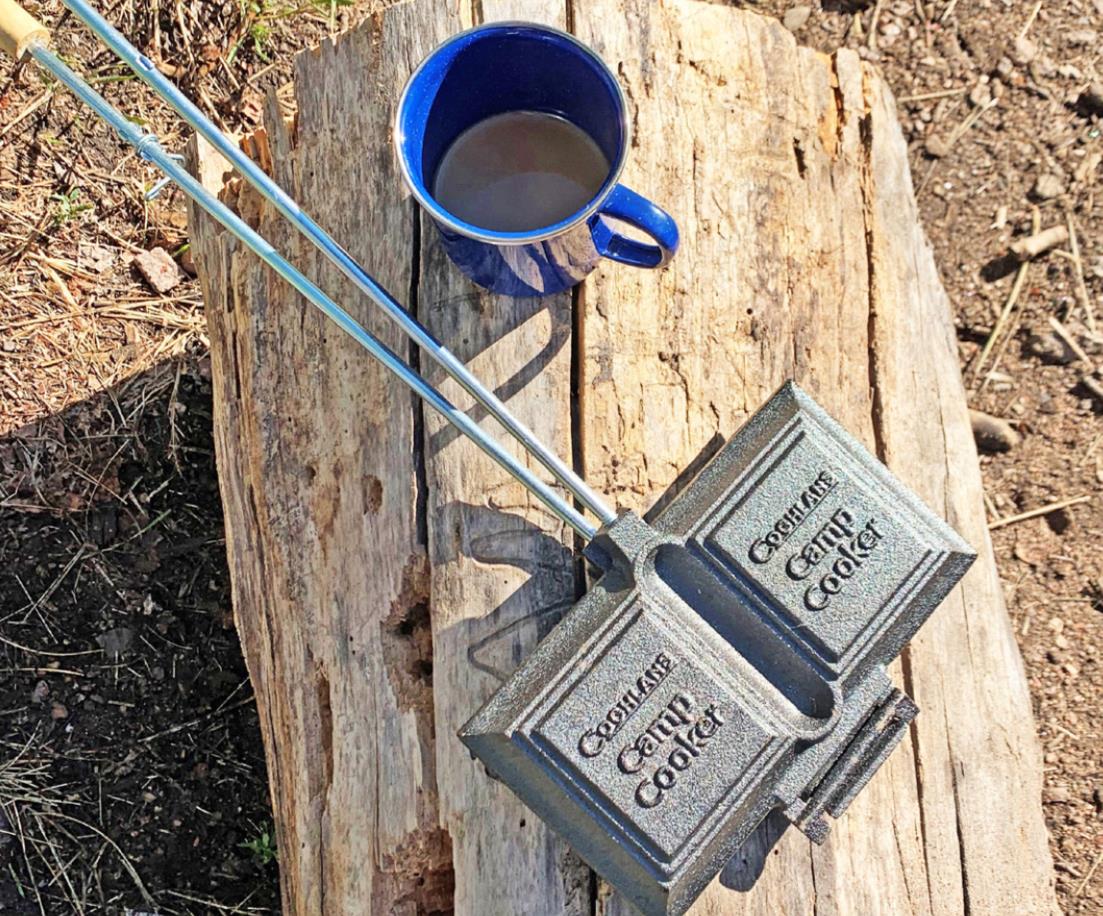
Top with the other slice of bread, buttered side up. Place sandwich into the camp cooker and close lid tightly, locking the handle. Trim off any excess bread.
Place camp cooker over prepared coals, or low flame. It’s acceptable to place directly onto coals, but if there is any flame, or the coals are too hot, use a grate to place the cast iron onto, just above the flame or red coals.
Cook the sandwich for 2 to 3 minutes on each side, or as much as 4 to 6 minutes depending on the heat.
Camp Cooker Breakfast Sandwiches:
Use the same method as preparing the pizza sandwiches but with your favorite breakfast items between the bread, tortilla, or English muffin. As pictured:
Flour tortillas
Scrambled eggs, precooked, but whole raw eggs may be used if you puncture the yolks
Cooked bacon
Cooked hash browns
Salt and pepper
Grated cheddar cheese
After cooking, top with salsa, if desired.
- Log in or Subscribe to post comments.
