I was a nursing student the first time I saw a woman give birth. Even though I was young and naive, I was cognizant of the weight of the moment when the baby took its first breath: the thin space where we see the holy and miraculous here on earth. I sometimes reminisce about the special pleasure I felt showing the new dad how to bathe his brand-new baby.
I could also recount the triumph I’ve experienced, as I helped patients take their first steps following a major surgery. I’ve been there when the news was really good, when the cure was pronounced, or when they finally got to go home. Believe me, we celebrated. Those memories are like buoys. They keep me afloat.
Now, with almost 20 years of nursing experience behind me, in hospitals, clinics and patients’ homes, you might be surprised to know, that those bright, shiny moments of new life, second chances and celebrations are not the ones that left the deepest impressions. Those belong to the patients whose stories were full of sorrow, not of joy. They are the ones for whom I kept vigil when their families could not be there, with whom I grieved when the news was bad, and sometimes my heart broke as they faced the terrible consequences of their own self-destructive choices. I’ve held their hands as they breathed their last. I ached to bring them comfort, even when no relief or respite was possible. Maybe you know about those experiences too; though in America, we are sometimes afforded the luxury of avoiding the difficult subjects of suffering and death, until we can’t avoid them any longer.
When I think about the 766,000 Covid-19 deaths in our country, I see the faces of those former patients and their families, not because my patients died of Covid or because they must live with its long-term consequences. No, I think of them because I bore witness to their suffering, and sometimes to their deaths, and as an eyewitness, I know with a kind of certainty that is heavy, powerful, and difficult to convey, that they were never numbers or news stories.
These were real people; they lived in front of me. I see the faces of my nursing colleagues and friends, who are no more immune to their patients’ pain than I am. I know what it is like to be weary, for the work to feel unending and fruitless. And I see your faces also, and I am convinced that if you had any idea about those things, you would not need to be persuaded to be vaccinated against a deadly virus, a virus that has caused tremendous suffering and death, much of it preventable.
It’s completely reasonable to be hesitant; it makes sense to ask questions. It’s prudent to weigh the evidence carefully, to be discerning in decision-making. But if I thought the facts would convince you, that’s where I would have started. Although I have a good foundation in pharmacology (I teach it to nursing students), I’ve listened to the vaccine experts and immunologists who have far more knowledge. Some of my nurse colleagues participated in the vaccine trials. I’ve read the studies from Pfizer and Moderna myself. The data is absolutely compelling: the vaccines work, and they are safe. The vast majority of American nurses (90%) and physicians (96%) have been fully vaccinated. I will vaccinate my two children at the first opportunity.
If you’re not convinced by the science and urgency of our circumstances, what would it take for you to change your mind? If you’ve been waiting, I implore you to get vaccinated now--not because you’re afraid of death but because you know what a beautiful and precious gift life is.
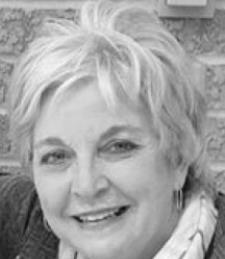
Snyder, Texas, native Sue Jane Sullivan is a retired schoolteacher whose thought-provoking commentary appears occasionally in several West texas newspapers.
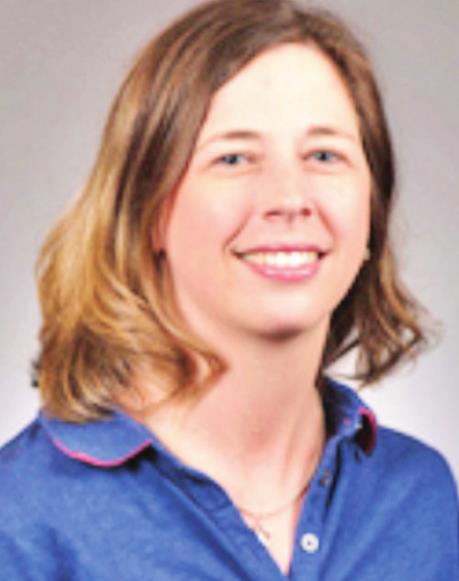
This week’s column is written by a friend whose husband taught with me years ago in Borden County. Kristen and Colt, also an educator, now live in Arkansas with their two young sons.
- Log in or Subscribe to post comments.