
September is a busy month in the garden. In today’s column are some of the “to-do’s” as the summer winds down and gardeners look for next season’s gardens.
September is the perfect time to plant perennials, shrubs, and trees. Warm soils benefit root establishment.
• Perennials need to be planted in early in September to allow for roots to become established before the winter sets in.
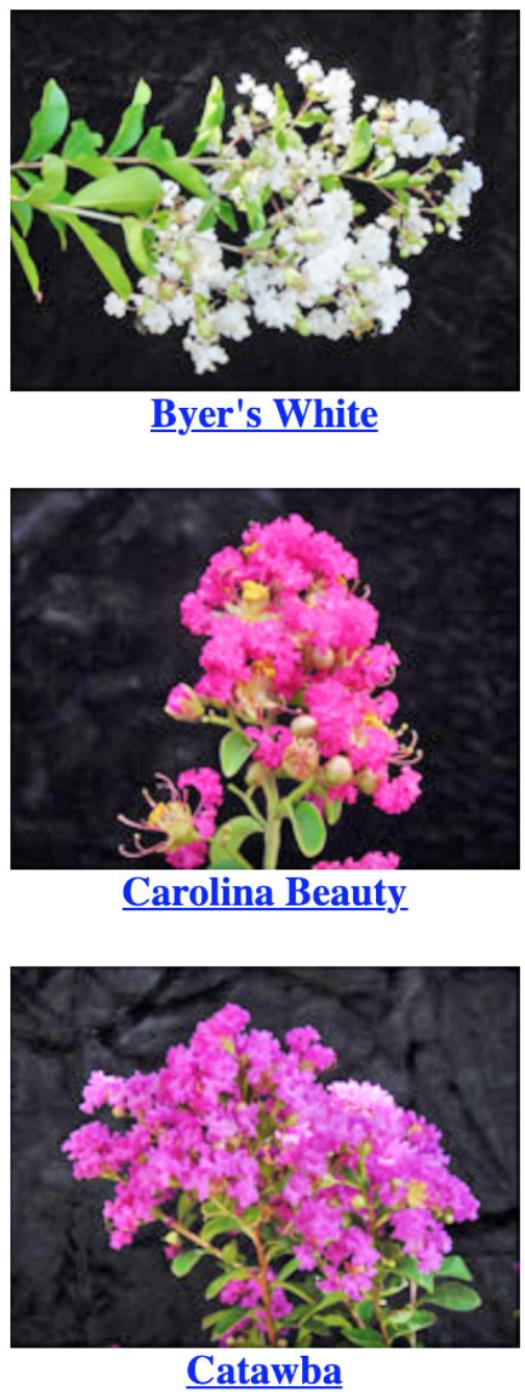
• Flowering trees like Rose of Sharon and crape myrtle still have summer blooms, and this is the opportunity to select colors in the nurseries. (When purchased in the spring summer-blooming trees and shrubs will not yet have blossoms, and gardeners instead need to rely on correct labeling.)
Dig and divide perennials. Iris and day lilies can be dug and divided now. Complete this task soon to allow root systems to become established before the onset of colder temperatures.
Handle routine maintenance tasks.
• Deadhead blooming herbaceous herbs and color annuals. Pinch off blooms to encourage foliar growth.
• Remove spent blossoms from roses. Roses can be given a small boost of fertilizer to maintain healthy vegetative growth. Any fertilizing needs to be done soon so that plants are not growing too vigorously before a freeze.
• Identify branches that have died from overcrowding or lack of sun. Prune by cutting back to the origin of the limbs. Remove broken or damaged branches.
Eradicate weeds.
• Be proactive for coolseason weeds. The window for putting out pre-germ weed preventative closes in a few days. Cool season weeds that can be controlled with timely applied pre-emergent herbicides are narrow-leafed grasses like ryegrass, bluegrass, crabgrass; and broad-leafed annuals like chickweed, oxalis, dandelions, Russian thistle. Check with local nurseries, home improvement centers, or greenhouses for the chemical products that will prevent germination of these weed pests.
• Judiciously remove any leftover summer weeds that have set seed. Do not allow them to overwinter with seed heads—or expect a fresh crop next season.
Plant final vegetables for the fall garden. Seed of most crops grown in the fall garden should have been sown in July or August, but a few crops can still be sown and expected to make a crop in the six to seven weeks remaining before the average first freeze date. Radishes can still size up for an edible crop and greens like lettuces, mustards, chard and arugula can still be sown for harvest as baby vegetables.
- Log in or Subscribe to post comments.
