
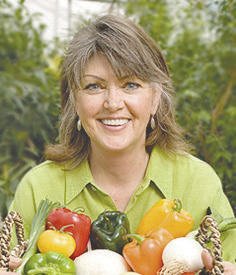
From the garden ELLEN PEFFLEY
The tall, graceful Gladiolus is the birthflower of August. Summer-blooming glads are making statements as cut flowers right now. Glads are favorites in cutting gardens because of their long, spike inflorescences. They can provide a spectacular show with their various colored inflorescences and when displayed in a vase add instant color to a table.
A gladiolus is called by several names but properly written with the name capitalized and italicized since Gladiolus is the scientific name of its genus. Several Gladiolus spikes are referred to in the plural, gladioli. But it is also standard to call then gladiola or simply glad. Gladiolus inflorescences are sometimes called “sword lily” after the Latin gladius meaning sword.
Glads are known as an old-fashioned flower, perhaps because they have graced gardens of our grandmothers. They are perennial bloomers, are easy to grow, have few insect pests, are relatively free of disease and require little care.
Glads make lovely arrangements. Remove leaves that will be submerged; cut the bottom of the flower stalk at an angle when the stems are under water. Keeping the flower stalk submerged when cutting prevents air bubbles that blocks water absorption. Replace water frequently.
Glads are grown from corms that are planted after the last freeze. Several plantings at several week intervals will give the garden a longer bloom period.
Although the underground structure from which the leaves and flower stalks emerge are frequently mislabeled as bulbs, the underground structure is a corm, not a bulb. Unlike bulbs, a corm is a solid, underground vegetative storage structure with distinct nodes and internodes. Dry leaf bases attached to each node enclose the mature corm and protect it from injury.
Glads that have spent blooms and foliage has dried can be dug and saved for next spring or plan now to purchase bulbs next spring when they will be planted in the garden.
For the showiest display of the long spikes, glad corms need to be grown in full sun in well-drained soil amended with organic matter. Grouping 12-15 corms in circles makes the showiest display in the garden bed. As a border glads can be planted in rows. During the growing season after plants are well established fertilize with 5-10-5 placed several inches away from the stems and below the surface. Fertilize with a second application on the opposite side of the stems when flowers are in bloom.
Ellen Peffley Harp, a retired professor of horticulture at Texas Tech University, writes about gardening for several Texas newspapers
- Log in or Subscribe to post comments.
