

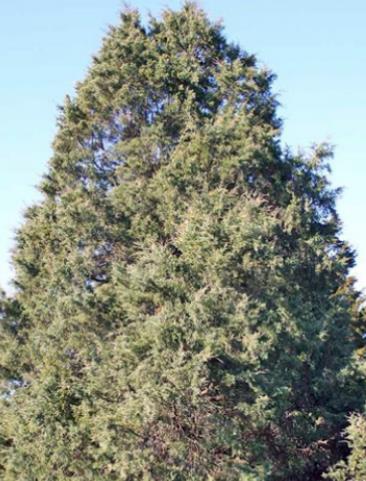
After our long, warm summer, conditions in October are just right for installing trees into the landscape.
Autumn planting is better than spring planting for several reasons:
• Soil temperatures are still warm, and given adequate moisture, roots will immediately be initiated. New roots will continue to grow in soils that are warm as long as soil is moist.
• Autumn soils are easier to dig than spring soils. Soil should be appropriately moist, not hard or clumpy but loose enough to crumble.
• Water moves freely in warm soils, benefiting rapid root system establishment. Water in cool spring soils moves slower and is taken up slowly, and root systems take longer to become established.
• Water loss from trees by transpiration is less in autumn months because temperatures are cooling.
Tree type choices:
• Bare root. Typically least expensive. Trees are field or nursery grown, lifted and packed in material that keeps root systems hydrated for a short period of time. Packing may be sawdust, sphagnum moss, or shredded newspaper. Fruit trees are often sold bare root.
• Containerized. Usually raised from seedlings or small graftings, grown for a season in a container and sold in the container. Small trees or shrubs are often 1-gallon; larger trees may be 3-gallon, up to 15 gallons. The smaller the container the smaller the root system.
• Ball and burlap (B&B). Field or nursery grown. These generally have a high survival rate, as root systems remain intact. Root systems are severed several feet from the crown of the tree and several feet deep using a sharp shovel for smaller trees; for larger trees, commercial blades are used to ensure a large ball is dug. Roots are severed and lifted intact, and heavy burlap is large enough to wrap and slip under the ball, totally enveloping the root ball and tie to the crown. B&B trees are heavy.
QUESTION: Bill L. of El Vado, N.M., asked about transplanting a 1– to 3-foot spruce tree.
FROM THE GARDEN: Use the B&B system described above. Several months before the tree is to be moved, dig trenches around the perimeter with a sharp shovel. Dig down several feet to form a large root ball. Keep soil moist. At weekly intervals repeat digging in the same trenches. New roots will soon be initiated that will serve to hold the ball intact.
Next week: Planting trees in the landscape.
- Log in or Subscribe to post comments.
