
“The Lone Star State is at the center of global attention to produce bitcoin,” read a July 8, 2021, piece in The Washington Post.” Texas, it said, is being “hailed as the new cryptocurrency capital.”
So what to its citizens need to know about cryptocurrency?
Website Investopedia has a particularly useful rundown at www.investopedia.com/tech/how-does-bitcoin-mining-work — but we’ll summarize some of the high points here.
• Cryptocurrency is a digital financial asset that can be used to buy goods and services. Like paper money and other governmentissued fiat currency it is not backed by a physical commodity, such as gold or silver, but rather by faith in its issuer.
• Cryptocurrency is secured not in a bank but in a chain of verified financial transactions, called a blockchain.
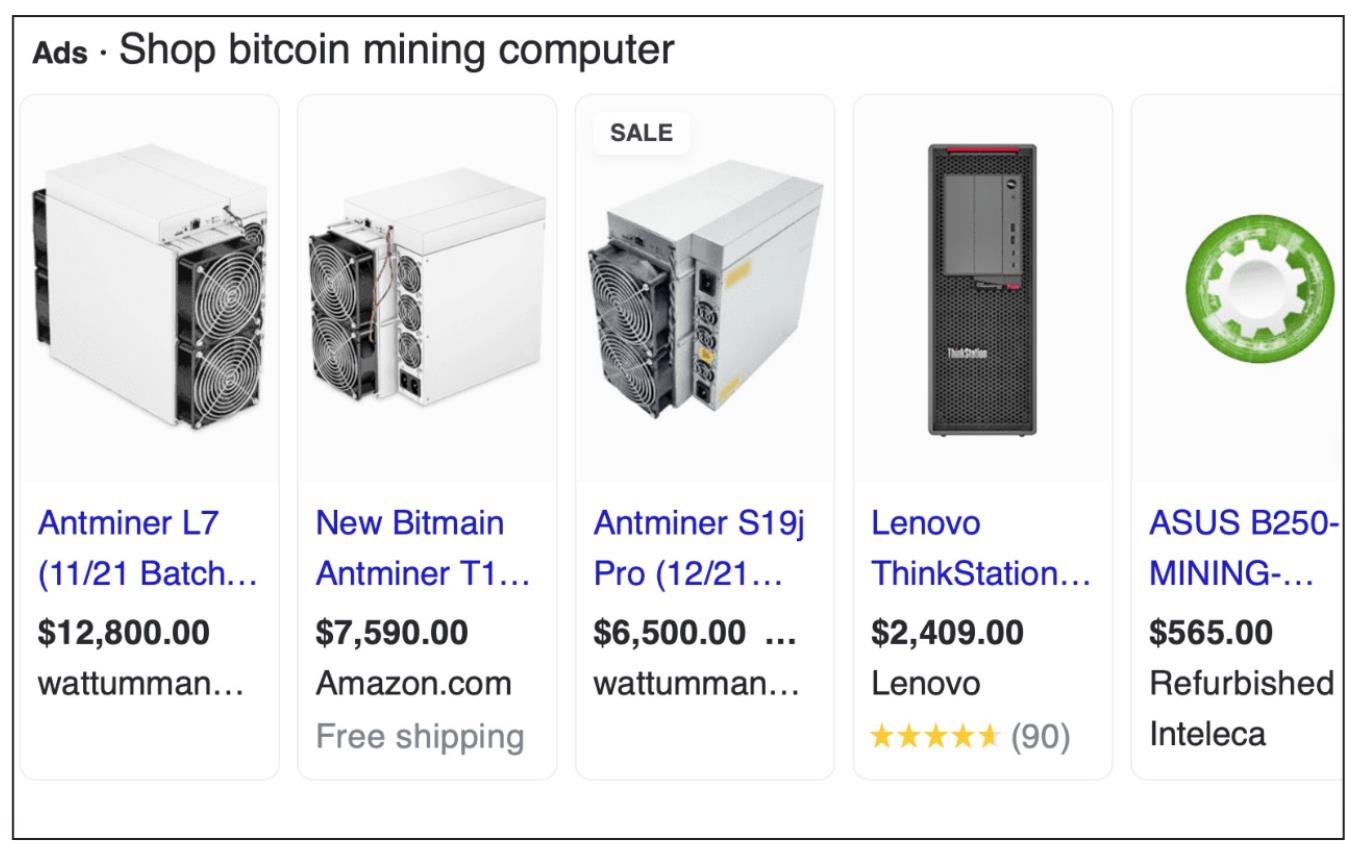
• Cryptocurrency is verified by data “miners” who apply digital processing power—from home computers or even cell phones to high-speed “rigs” costing multiple thousands of dollars and upward— to solving hexadecimal “hashes” in a race to be the first to solve, and claim, each issued bitcoin.
• Since the introduction of Bitcoin in 2008, large companies and investors have applied considerable muscle to being tops in the race to earn bitcoin and its potentially huge returns on investment.
• From Investopedia: The concept of a virtual currency is still novel and, compared to traditional investments, bitcoin doesn't have much of a long-term track record or history of credibility to back it. With its increasing popularity, bitcoin is becoming less experimental every day; still, after only a decade, all digital currencies remain in a development phase. “It is pretty much the highest-risk, highest-return investment that you can possibly make,” says Barry Silbert, CEO of Digital Currency Group, which builds and invests in bitcoin and blockchain companies.
• While some view cryptocurrency as the wave of the future, others replain skeptical about the carbon footprint left behind by virtual mining activities, and also warn of loss of investment, or potential security hazards such as ransomware demands and identify theft. The U.S. website www.investor.gov tracks information useful to investors and prospective investors.
- Log in or Subscribe to post comments.
