March gardening is beginning to kick into gear. Our weather is still yo-yoing from freezing to hot days and windy to still days, but West Texas gardeners are a hardy bunch. Spring gardens can be planted now. Here are some steps to take in planning the spring garden.
LOCATION
• Full sun. Vegetables need a dose of full sun for at least 8 hours a day. Position the beds to run east to west, to take advantage of the sun’s overhead angle as it rises in the east and traverses west towards sunset. Plants positioned in a north/south orientation will have half the plant be in shade in the morning hours and the other side shaded in the afternoon. Avoid overhanging trees or shrubs that will shade portions of the garden.
• Water source. A ready supply of water is critical. Apply irrigation by either drip or garden hose; avoid sprinkler irrigation as water on damp leaves can intensify fungal or bacterial infestations.
SIZE of the garden may be dictated by the crops to be grown.
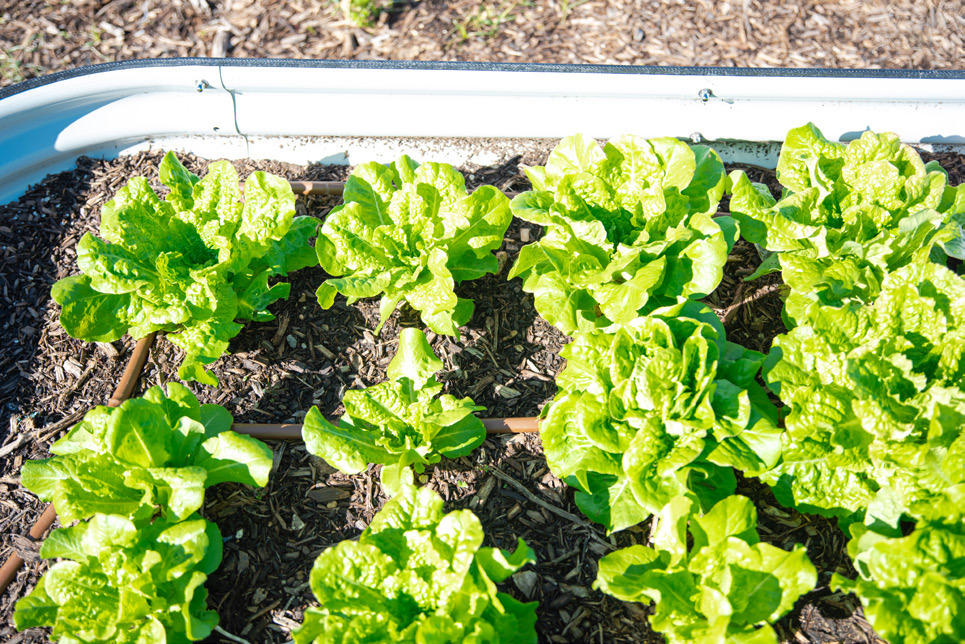
• Spring. Vegetables grown in spring gardens are generally smaller crops. Radishes, onions, lettuce greens, and spinach do not require a large area as the spacings between the smaller spring crops are generally several inches.
• Summer. Gardens in which summer crops will be grown require a larger growing area to accommodate large plants such as okra, summer squash, and tomatoes. Spacing of the larger summer crops require several feet between plants.
• Perennials. Perennials require a dedicated space that will remain untouched for several years. Perennials like Jerusalem artichokes and asparagus are aggressive growers and can quickly fill their growing area and spread into neighboring spaces. Planning for future invasiveness before planting will save future headaches.
SOIL PREPARATION Till deeply, at least one-foot. Heavily amend with organic matter.
CROP Many spring garden crops can be planted now and up until April 1.
From vegetative propagation:
• Seed potatoes (see February 26 column)
• Asparagus sets
• Garlic cloves
• Onion sets (see March 5 column)
• Strawberries
• Blackberries
• Spinach
• Swiss chard
• Turnip Keep soil moist after planting. Protect young seedlings from spring winds bycoveringwithclearplastic cupsuntilseveraltrueleaves
have emerged.
Ellen Peffley Harp, a retired professor of horticulture at Texas Tech University, writes about gardening for several Texas newspapers.