
With wife, Stephanie, daughter Kimberly and son Caleb, David Pafford of Spur set off May 21 for parts domestic and foreign. Prior to the narrative below, Stephanie and Kimberly returned to the U.S., leaving Caleb to accompany his father across Germany, Eastern Europe, and eventually around the globe.
“If you would like to see more photos and hear the ‘long version’ of our story,” wrote Pafford, “please visit the website www.fartherbeyond. com/circumnavigation. I hope you will join us each week to hear the latest report.”
Someone once said, “When one man dies, it is a tragedy. When a million die, it is a statistic.”
This quote is usually attributed to Joseph Stalin. It probably did not originate with him, but it would not have been out of character. Most people know what happened at Auschwitz, even if they don’t completely understand the scale. Over a million people were murdered there—mostly Jews, but also Poles, gypsies, Soviet POWs, gay men, and a few others. Knowing the narrative and the statistics cannot prepare you for witnessing the evidence presented at Auschwitz.
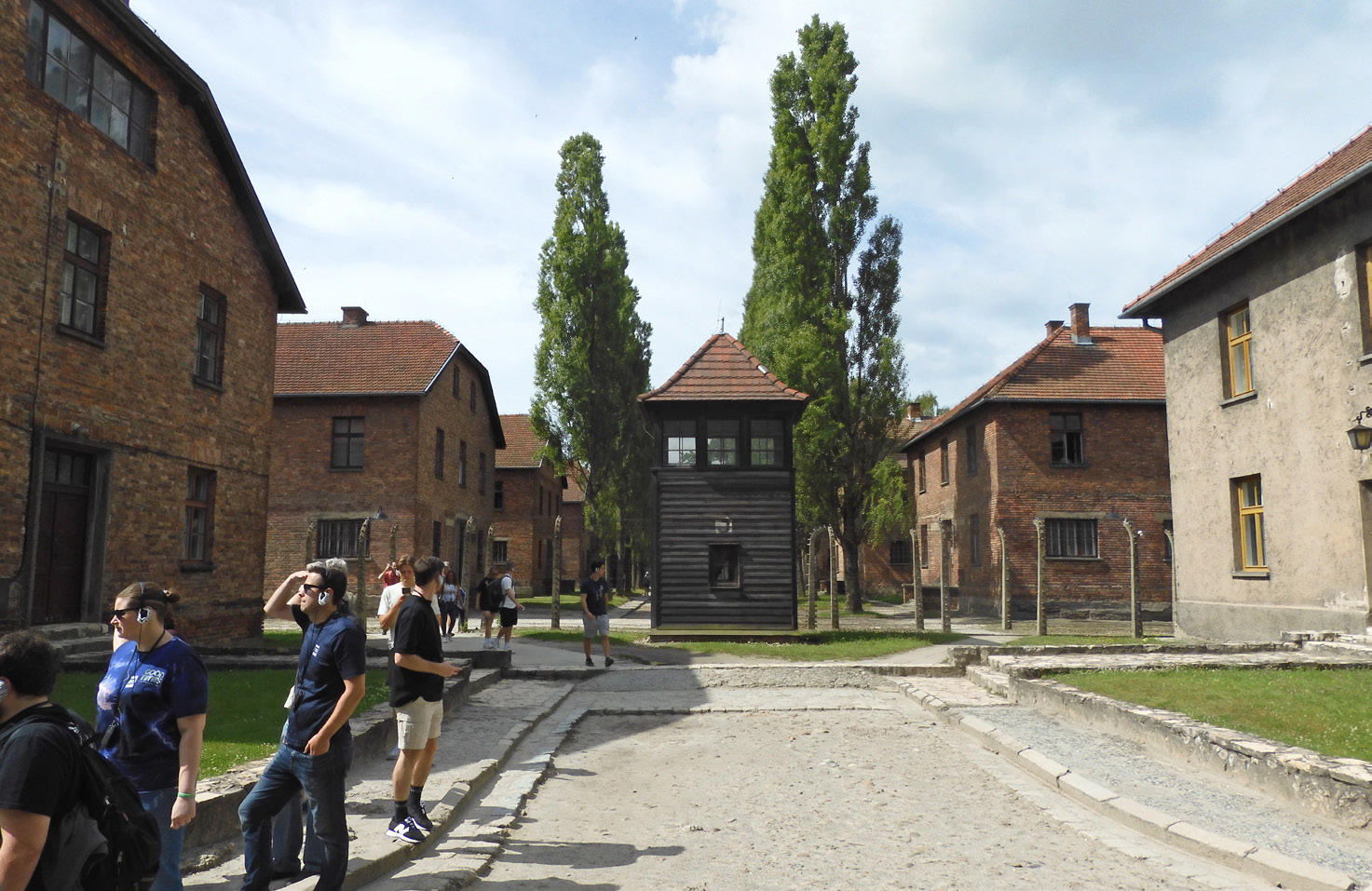
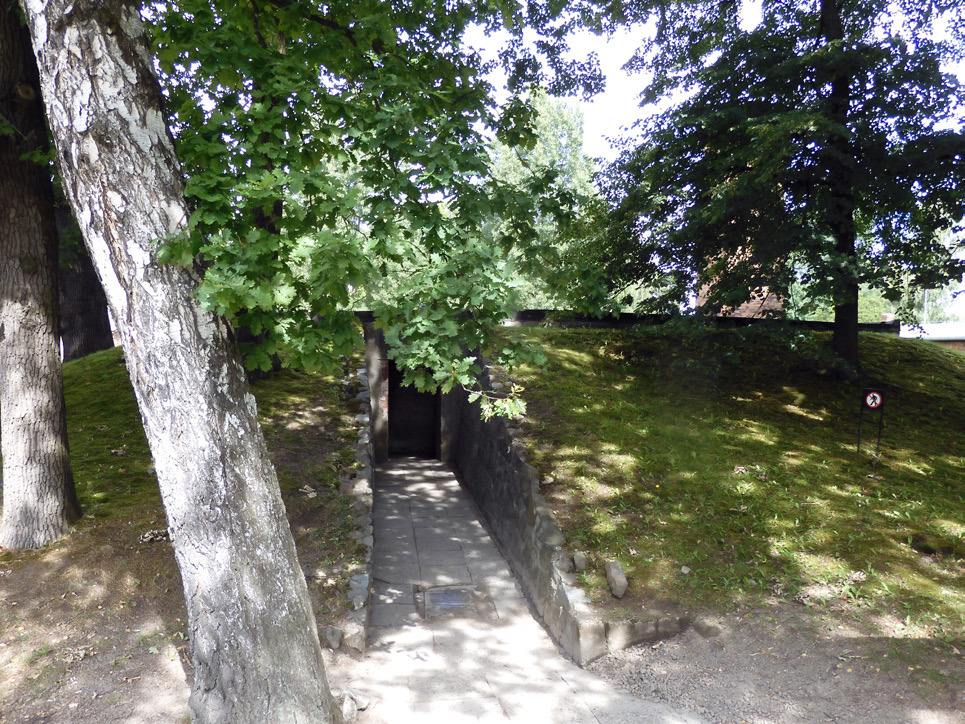
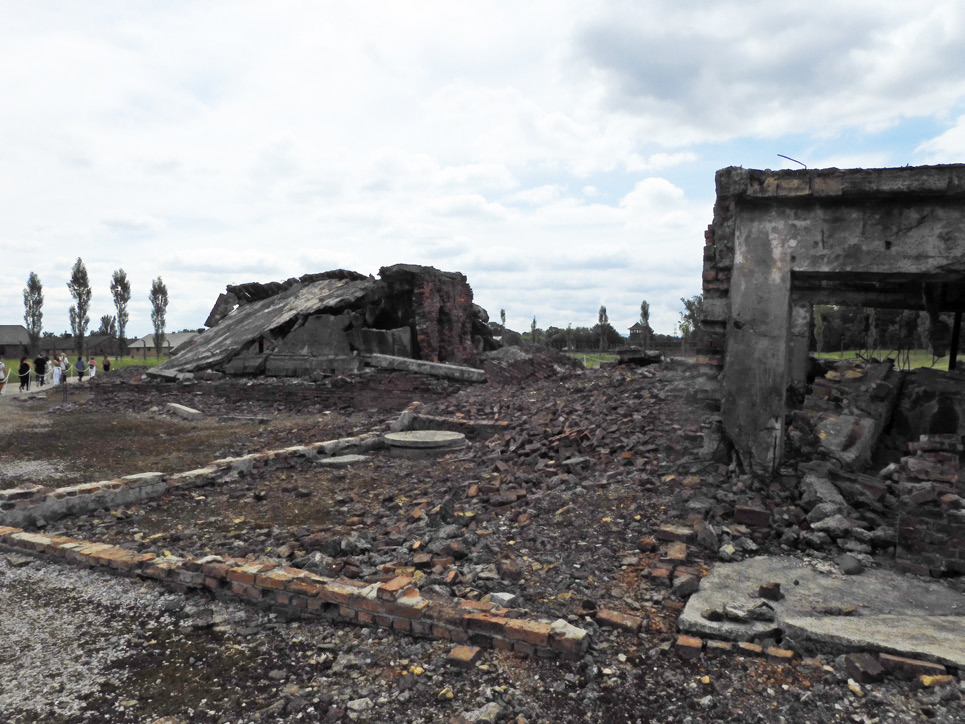
The tour begins at Auschwitz I, the original site of the concentration camp. There is a second site a few miles away called Birkenau. The Nazis could not kill Jews and other persona non grata fast enough with just the gas chamber and incinerator at Auschwitz, so they built a much bigger camp where people could be delivered via railway cattle cars, and processed directly to one of several commercial grade gas chamber/incinerator complexes or routed to the concentration camp side if they were deemed fit enough to be provide some labor until they died of starvation, overwork or some other cause. Those who were not immediately gassed still usually died within a few weeks or months.
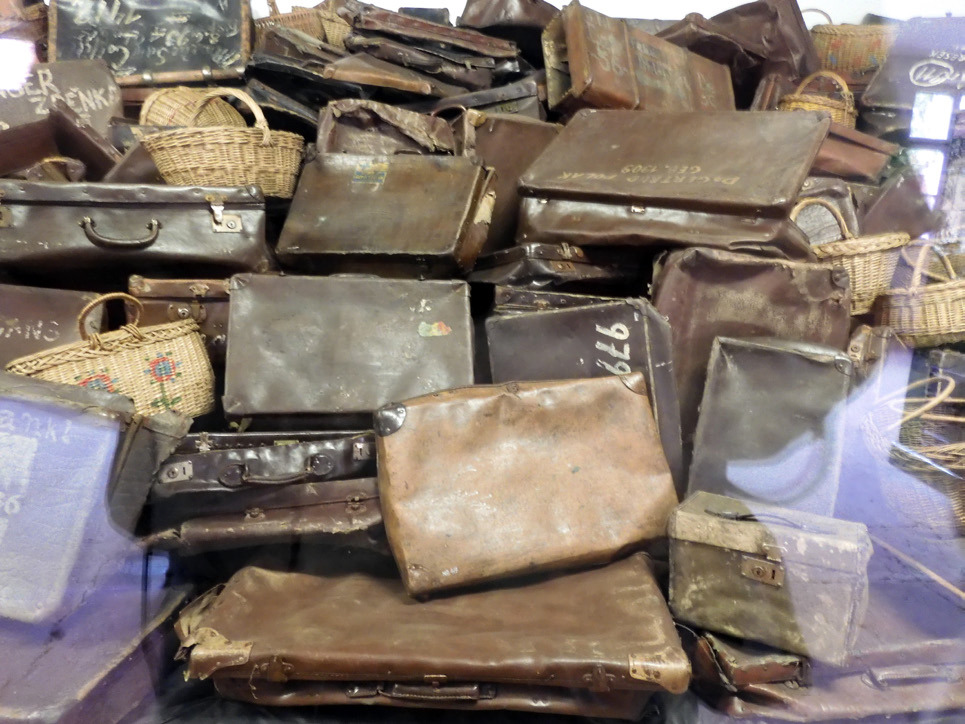
The people who arrived at Auschwitz had been told they were coming to a work camp and would continue their lives. They brought some valuables with them—prayer books, dolls, suitcases. They came with their families. The museum has a pile of suitcases that condemned people had painted their names on. There is a mountain of 40,000 shoes. This represents a tiny fraction of the shoes collected here from people about to be murdered, but even that tiny fraction is a mountain.
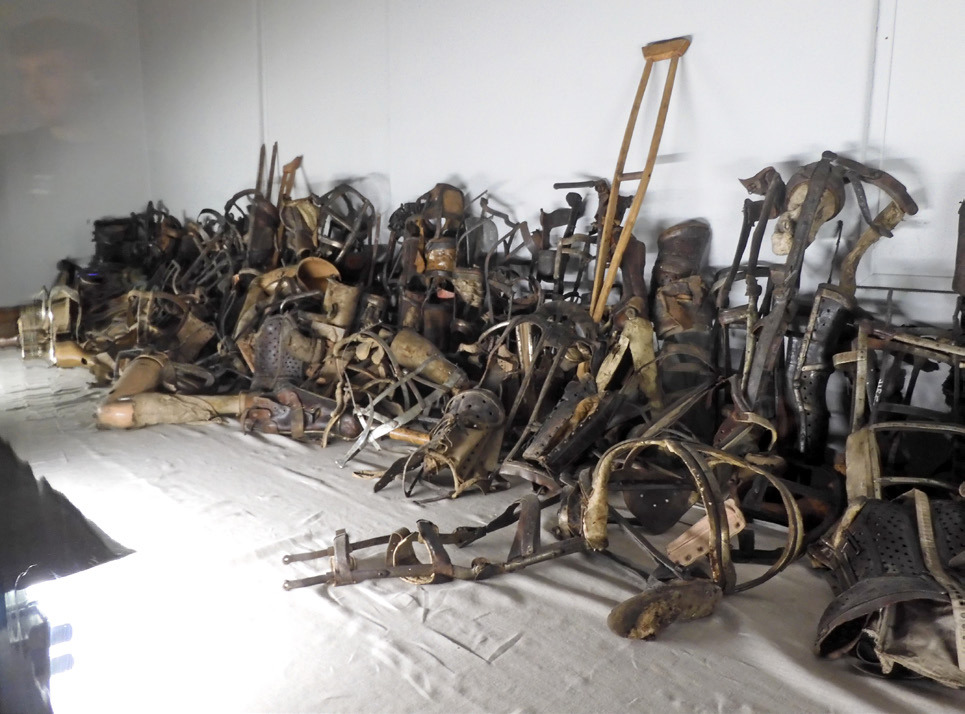
There is huge stack of prosthetic limbs. These people were not deemed fit to work, so they had gotten off the train and walked—unknowingly— straight to the gas chamber. There was a doctor right at the unloading point making snap life-and-death judgments about the fitness of those arriving at the camps. Mothers, small children, and old people were usually sent straight to the gas chamber right off the rail cars. The SS troops had them undress to “showers.” They were told to place their clothing and shoes close together so they could find them easily after the shower, but this was really just so it would be easier for the Nazis to gather them after the victims had been murdered. They probably did not know what was happening until the canisters dropped into the “shower room,” and people started to die. The artifacts—the collected possessions of the victims—give weight to the scale of the crime and make the victims human, rather than just a tally mark on the list of German state crimes.
This part of the museum also has a collection of covertly taken pictures showing prisoners being sent right or left at the platform. There are pictures of children who Josef Mengele did experiments on. There are pictures of mothers unknowingly carrying their babies toward a gas chamber. The photos give faces to the numbers.
The inhumanity just keeps piling on through the visit. The SS doctors experimented to find the most effective ways of killing seriously ill prisoners to prevent epidemics that might endanger guards or impede what work was being accomplished. They determined that just injecting phenol directly into the hearts of sick people was very effective in preventing them from infecting others. They later used this method on small children as well. There is a room filled with women’s hair that had been collected to make fabrics. The incinerators built to dispose of bodies did not get hot enough to do a respectful job of cremating the victims, so human remains— especially bones— were left. Some of the Jewish prisoners who were assigned work duty instead of immediate death were given the job of crushing the bones of their friends and family members with wooden poles so the bone residue could be sold as a fertilizer additive.
They warn you a couple of times on the website and when you purchase your tickets that they recommend not bringing children under 14. I am not sure I should have taken Caleb. He had a tough time processing all of this. So did I. It was not a fun tourist stop, but I am glad I went. As a historian, I knew most of the information presented, but seeing the personal evidence gave me a better understanding of the evil humans are capable of and actually perpetrated.
If you would like to see more about these other venues, check out www. farther-beyond.com/circumnavigation.
