CUISINE & CULTURE
Potted plants overwintered indoors can develop problems. Last week’s column focused on two common houseplant pests, fungus gnats and mealy bugs. The focus of today’s column is maintenance of plants overwintered indoors.
A telltale sign that a plant is not receiving proper care is evident with a look at the leaf tips. Tips of leaves that are brown and desiccated is a sure sign there is a plant care issue needing attention. There are two main reasons that tips of leaves turn brown, shrivel and dry: salt damage and low humidity.
Salt damage. Salt accumulation is a common occurrence in potted indoor plants that have been over fertilized or irrigated with water that contains high levels of minerals. Plants must have essential minerals for optimum growth, but tissue damage can occur when a fertilizer is not applied in small, dilute amounts. Fertilizers are composed of minerals and minerals as a group are, in essence, salt. Minerals in the fertilizer are taken up by plants when water moves into roots. The minerals in solution are transported up through the plant in the transpiration stream, into the leaves. If the concentration of the minerals in solution are greater than the need of the plant, the excess continues to move into cells ultimately in the leaf tips; cells burst, resulting in the brown tips and death to leaf tip tissues.
Prevent damage to leaf tip cells by applying fertilizer in small, dilute amounts. Plants with tips that show damage need to have their potting media flushed, which washes out excess salts of the fertilizer. Apply sufficient distilled water so that it washes through the entire root system, out the holes in the pots. Discard the salty water.
Low humidity. Homes in winter months are heated. Heated air is dry. Humans express symptoms of dryness like dry nasal passages, dry and flaky skin. Likewise, plant leaves are affected by heated homes with low humidity. Some plants, like succulents, thrive indoors with little alteration in growth but other plants, like tropicals, with lush green foliage adapted to high humidity environments are affected by low humidity. Low humidity and insufficient moisture affects first tips of leaves evidenced with brown tips. Tropicals need humidity for optimum growth. Raise humidity by grouping plants and placing them in pebble-filled trays that hold water, keeping plants above the water level.
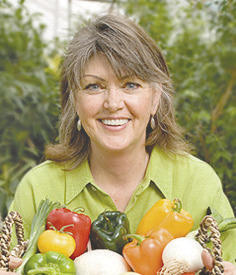
Ellen Peffley Harp, a retired professor of horticulture at Texas Tech University, writes about gardening for several Texas newspapers.